
Essential Tips for Choosing the Perfect Fabric for Your Next Project
- May 27
- 3 min read
Choosing the right fabric can make or break your sewing or crafting project. Whether you are making clothing, home décor, or accessories, the fabric you select affects the look, feel, and durability of the final product. With so many options available, it can feel overwhelming to pick the perfect material. This guide offers practical tips to help you make confident fabric choices that suit your project’s needs.

Understand Your Project’s Purpose
Start by clarifying what you want to create. The function of your project guides fabric selection. For example:
Clothing: Consider comfort, breathability, and stretch. Cotton and linen work well for casual wear, while silk or satin suits formal garments.
Home décor: Durability and ease of cleaning matter. Upholstery fabrics like twill or canvas are sturdy choices.
Accessories: Look for fabrics with structure or flexibility depending on the item. Leather or faux leather is great for bags, while lightweight cotton suits scarves.
Knowing the end use helps you narrow down fabric types and avoid unsuitable options.
Learn Fabric Types and Their Properties
Fabrics come from natural fibers, synthetic fibers, or blends. Each has unique qualities:
Natural fibers: Cotton, wool, silk, and linen are breathable and comfortable but may wrinkle or shrink.
Synthetic fibers: Polyester, nylon, and acrylic resist wrinkles and dry quickly but may trap heat.
Blends: Combine benefits of both, such as cotton-polyester blends that balance comfort and durability.
Think about how the fabric behaves when washed, how it drapes, and how it feels against skin. For example, wool keeps warmth but can itch, while rayon feels soft but wrinkles easily.
Check Fabric Weight and Texture
Fabric weight affects how your project looks and functions. Lightweight fabrics like chiffon or voile are airy and flowy, ideal for summer dresses or curtains. Medium-weight fabrics such as cotton or denim offer structure and durability, suitable for shirts or pants. Heavyweight fabrics like canvas or upholstery fabric provide strength for bags or furniture covers.
Texture also influences the final appearance. Smooth fabrics reflect light differently than nubby or textured ones. Consider if you want a sleek finish or a tactile feel.
Consider Color and Pattern
Color choice impacts the mood and style of your project. Solid colors offer versatility and simplicity, while patterns add personality and interest. When selecting patterned fabric, think about scale and repeat size. Large prints may overwhelm small projects, while tiny patterns can get lost on big surfaces.
Also, check if the fabric’s colorfastness meets your needs. Some dyes fade quickly with washing or sunlight exposure.
Test Fabric Stretch and Recovery
If your project requires movement, such as activewear or fitted garments, fabric stretch is critical. Stretch fabrics contain elastane or spandex, allowing flexibility. Test the fabric by pulling it gently to see how much it stretches and if it returns to its original shape. Poor recovery can lead to sagging or misshapen items.
Evaluate Care Instructions
Fabric care affects the longevity of your project. Some fabrics need dry cleaning, while others can be machine washed. Consider how much effort you want to spend on maintenance. For example, cotton is easy to care for, but silk requires delicate handling.
Always read care labels or ask the fabric supplier about washing, drying, and ironing recommendations.
Buy Enough Fabric and Order Samples
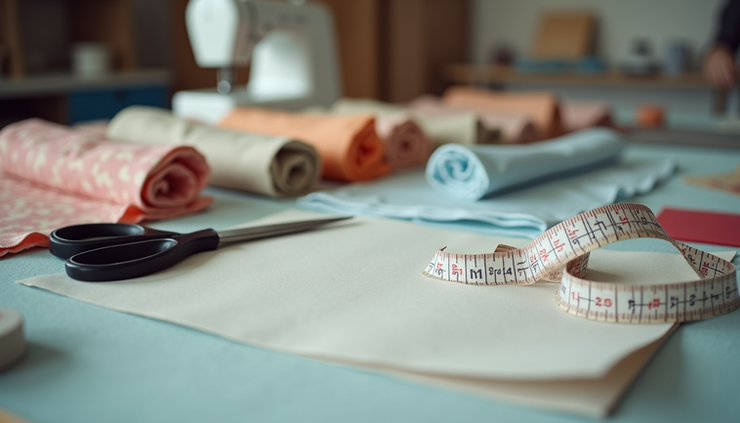
Calculate the amount of fabric needed based on your project’s pattern or dimensions. Buying too little can cause delays and mismatched dye lots. If possible, order fabric samples before committing to a large purchase. Samples let you feel the texture, test color accuracy, and check stretch or drape in person.
Trust Your Instincts and Experiment
Fabric selection is part science and part art. Sometimes, a fabric just feels right for your vision. Don’t hesitate to experiment with new materials or combinations. Keep notes on what works well for future projects.


Comments